For centuries, a simple piece of fabric has been an indispensable tool in kitchens, dairies, and craft rooms. That tool is cheesecloth. Far more than just a cloth for making cheese, this versatile material is a multi-purpose workhorse that every home cook, baker, and DIY enthusiast should have in their arsenal. Whether you're straining homemade yogurt, clarifying butter, or creating a beautiful herb bundle, understanding the different types and grades of cheesecloth is key to achieving the best results.
What is Cheesecloth and What Are Its Many Uses?
Cheesecloth is a lightweight, gauzy cotton fabric with an open weave. Its primary function is to separate solids from liquids, but its applications are surprisingly diverse. In the kitchen, it's essential for straining stocks, broths, and nut milks to achieve crystal-clear liquids. It's the secret behind smooth, lump-free sauces and gravies. For those interested in cheese making, it's used to drain whey from curds, shaping soft cheeses like ricotta, paneer, and chèvre. Bakers use it to bundle herbs for bouquet garni or to wrap and steam puddings.
Beyond cooking, cheesecloth is a star in the world of DIY crafts. It's perfect for creating ghost costumes, rustic gift wrapping, natural dyeing projects, and even as a fine mesh for screen printing. Its breathable nature also makes it ideal for covering fermenting jars or protecting plants from pests in the garden.
Understanding Cheesecloth Grades: From Loose to Ultra-Dense
Not all cheesecloth is created equal. It comes in numbered grades that indicate the thread count and tightness of the weave, which directly impacts its filtering capability.
Grade 50 & 60: These are the most open weaves, suitable for bundling herbs, polishing glass, or light dusting. They are not fine enough for most straining tasks.
Grade 80 & 90: A medium weave, good for general kitchen tasks like straining stocks or making ghee. It catches larger particles but may let some finer sediment through.
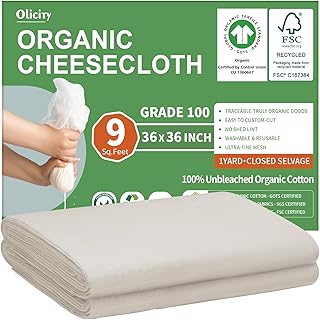
Grade 100: This is the gold standard for serious culinary and cheesemaking work. Often called butter muslin, its ultra-dense, fine mesh can trap the tiniest curds and solids, yielding the clearest liquids. It's the preferred choice for making soft cheeses, straining yogurt to make Greek yogurt, and clarifying butter. Products like the Cotton Farm Grade 100 XL Cheese Cloth exemplify this premium category with its ultra-dense weave.
Key Features to Look For in a Quality Cheesecloth
When shopping for cheesecloth, several features separate a good product from a great one. First, material matters. 100% unbleached cotton is the top choice for food safety and sustainability, as it contains no chemical residues. For an even higher standard, look for Organic Cheese Cloths with GOTS certification.
Durability is another crucial factor. Hemmed or closed edges prevent fraying and make the cloth much more reusable. A cloth that falls apart after one use is wasteful. Look for options with finished edges, like the 12Pcs Reusable Cheese Cloths with hemmed 4 edges, which are built to last through many washes.
Finally, consider convenience. Precut sizes save time and hassle. Having a multi-pack on hand, such as the 6-Pack Beige Cheesecloth or the Mostdream 10-piece pack, means you're always prepared for any task without needing to cut from a large bolt.
Choosing the Right Cheesecloth for Your Task
Your project should dictate your choice of cheesecloth. For juicing or making nut milks where you want to extract every drop of liquid while removing all pulp, a Grade 100 cheesecloth is non-negotiable. The same goes for cheesemaking and straining yogurt.
For cooking turkey or chicken, a medium-grade cloth is perfect for holding herbs and aromatics inside the cavity. When baking, a finer grade can be used to dust surfaces with flour or to strain glazes. For everyday kitchen tasks like straining pan drippings for gravy, a reliable, all-purpose option like GoodCook Everyday Cotton Cheesecloth gets the job done efficiently.
Before making a purchase, it's wise to read a detailed cheesecloth review to understand real-world performance. For instance, a hands-on assessment like the MAJESTIC CHEF Natural Cheesecloth Review can provide valuable insights into durability and usability.
Caring for Your Reusable Cheesecloth
To get the most out of your investment, proper care is essential. After use, rinse the cloth immediately in cold water to remove food particles. For stubborn stains, soak it in a solution of baking soda and water. Hand wash or machine wash on a gentle cycle with mild detergent. Avoid fabric softeners, as they can clog the weave. Always air dry your cheesecloth; high heat from a dryer can weaken the fibers and cause shrinkage. With proper care, a high-quality, hemmed cheesecloth can be reused dozens of times.
In conclusion, cheesecloth is a humble yet powerful tool that bridges the gap between simple cooking and culinary artistry. By understanding the grades, prioritizing features like unbleached cotton and hemmed edges, and choosing the right cloth for the task—be it a High-Grade 100 6-Pack for serious straining or a versatile all-purpose cloth—you equip your kitchen with a fundamental asset. Explore its potential, and you'll discover it's one of the most useful cooking essentials you can own.